

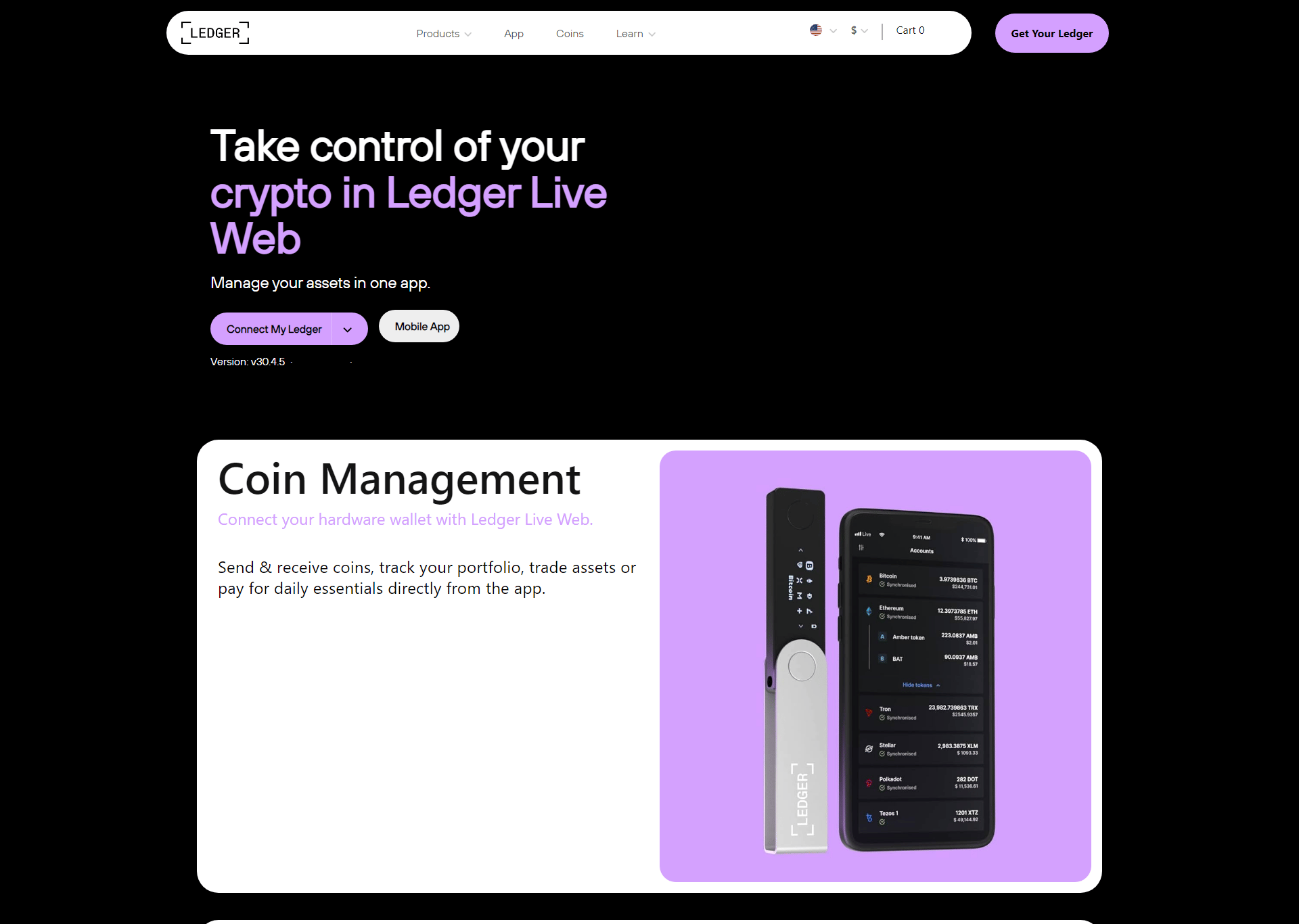
Ledger.com/start: A Complete Guide to Setting Up and Managing Your Digital Wallet
Choosing a hardware wallet is an important decision for anyone who wants more control over cryptocurrency security. A Ledger device is designed to protect private keys and let users approve supported transactions through dedicated hardware. However, getting started correctly requires understanding the setup instructions, recovery process, and available management tools. Ledger.com/start is a useful starting resource for users preparing to configure a compatible Ledger hardware wallet. This guide explains how to approach the process and establish practical habits for managing digital assets.Why Use Ledger.com/start for Wallet Preparation?
The first-time setup process can involve several unfamiliar steps. Users need to identify their device model, locate compatible software, configure access protection, and understand how wallet recovery works. Ledger.com/start helps users find setup guidance relevant to their device. Using the correct resource can make the process easier to follow and reduce confusion. For safety, enter the website address directly into your browser. Check the spelling carefully and avoid links from unexpected emails, advertisements, or social media messages. Fake websites sometimes imitate wallet services to collect sensitive information.Prepare Your Device Before Starting
A little preparation can make the configuration process more organized. Before opening Ledger.com/start, make sure you have:- Your Ledger hardware wallet.
- A compatible computer or mobile device.
- The required cable or connection method for your model.
- A reliable internet connection.
- A private place to record and store recovery information.
Follow the Device Configuration Instructions
Identify Your Ledger Model
Different Ledger devices may have different screens, buttons, and connection methods. Select the instructions that match your exact hardware model. Read the setup guidance before proceeding. Avoid using random online tutorials that may describe a different device or outdated software.Install the Recommended Software
Depending on your device and intended use, the setup process may involve Ledger Live. Download the application through verified Ledger sources and confirm that it is compatible with your operating system. Do not install wallet software from unfamiliar websites or links sent by strangers. A genuine-looking logo does not guarantee that an application is trustworthy.Configure Your PIN
Follow the prompts displayed on your hardware wallet to establish a PIN. Choose a combination that is difficult to guess and avoid obvious patterns. Keep the PIN private. It helps protect access to the physical device but does not replace the importance of securely storing your recovery phrase.Understand the Recovery Phrase
A recovery phrase is a critical part of wallet ownership. It can be used to restore access if your hardware wallet is lost, damaged, or replaced. When creating a new wallet, carefully record the recovery words in the exact order shown on the device. Check your written record before storing it in a secure offline location. Never share these words with anyone. Do not enter them into a website, email, online form, or messaging application. Avoid screenshots and cloud storage as well. Anyone who obtains your recovery phrase may be able to restore the wallet and access its associated assets. Keep it private even when someone claims to be a support representative.Explore Your Wallet Management Options
After completing the initial configuration, take time to understand the supported account features. Ledger Live can help users view compatible accounts, check supported asset balances, and review transaction activity. Explore its available sections before transferring cryptocurrency. If you manage several digital assets, pay attention to the networks associated with each one. An incorrect network selection can create problems when transferring funds. Remember that supported assets and features depend on the device and software version.Verify Every Transaction Before Approval
A hardware wallet provides an opportunity to review transaction details before approving them. Use this opportunity carefully. Check the destination address, cryptocurrency, network, amount, and displayed fees. Compare the information on your computer or phone with the details shown on the hardware wallet itself. For a new recipient, consider making a small test transfer first. Do not approve a transaction if the information differs from what you intended.Common Security Mistakes to Avoid
Users can improve their wallet security by avoiding a few common mistakes:- Visiting imitation Ledger setup websites.
- Downloading applications from unverified sources.
- Sharing recovery words with supposed support agents.
- Saving recovery information in cloud accounts.
- Approving transactions without reviewing device details.
- Ignoring unexpected security prompts.